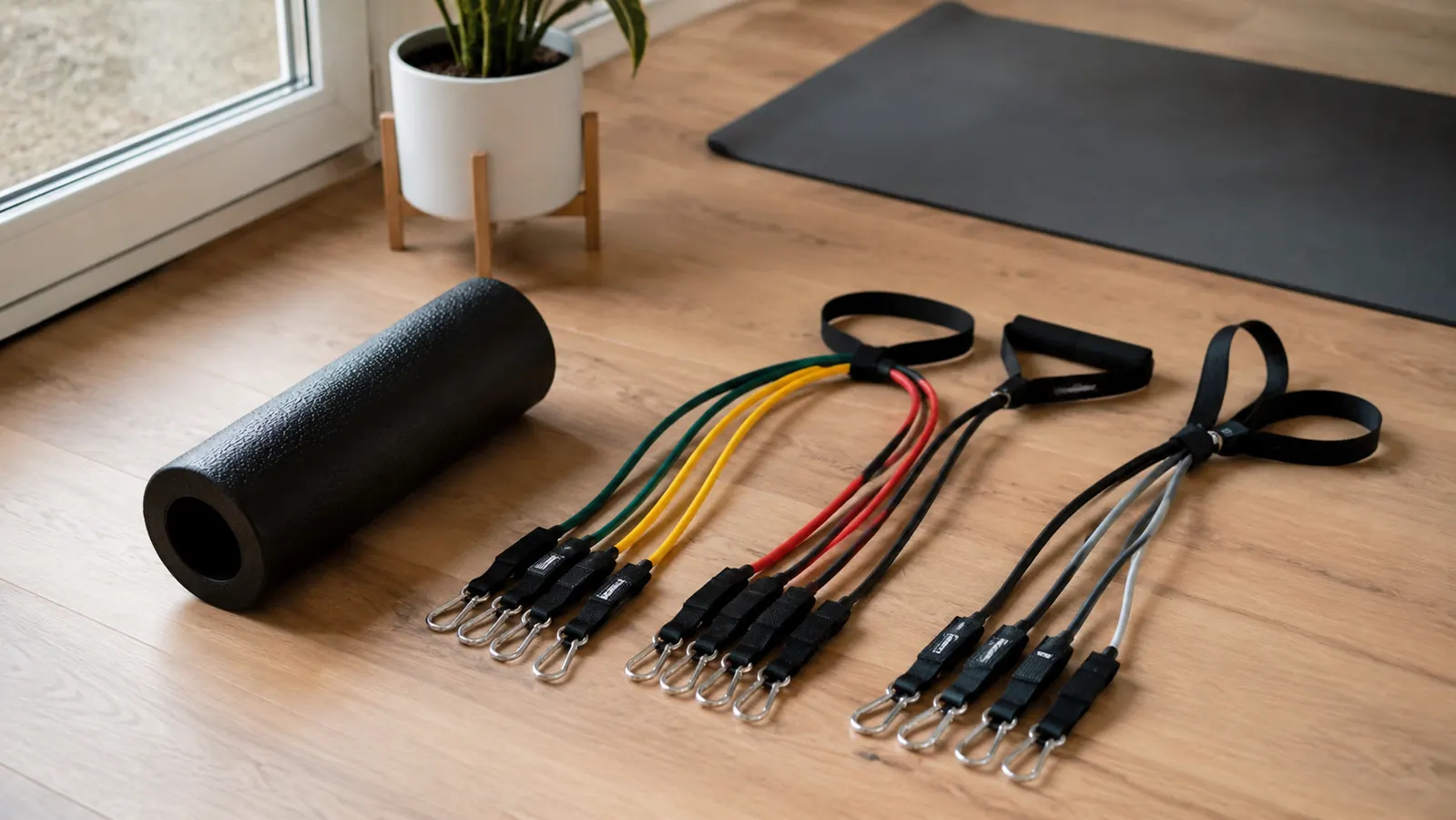
If you have spent more than five minutes searching for resistance bands, you have already run into both of these sets. Vergali and LEEKEY are two of the most frequently recommended booty band options on Amazon, and from the outside they look nearly identical: four bands, latex construction, similar price tags, and review counts that run well into the thousands. The short answer is that Vergali is the better pick for most people, mainly because the resistance levels are more clearly differentiated and the latex holds up longer under repeated use. But LEEKEY is not a throwaway option, and there are specific situations where it makes sense.
I pulled both sets through the same four-week test block, three days a week, mixing squat warm-ups, hip thrusts, lateral band walks, and clamshells. I was looking specifically for roll factor during hip thrusts, how accurately the labeled resistance matched the actual feel, and whether either set showed visible degradation before the month was out. Here is everything I found.
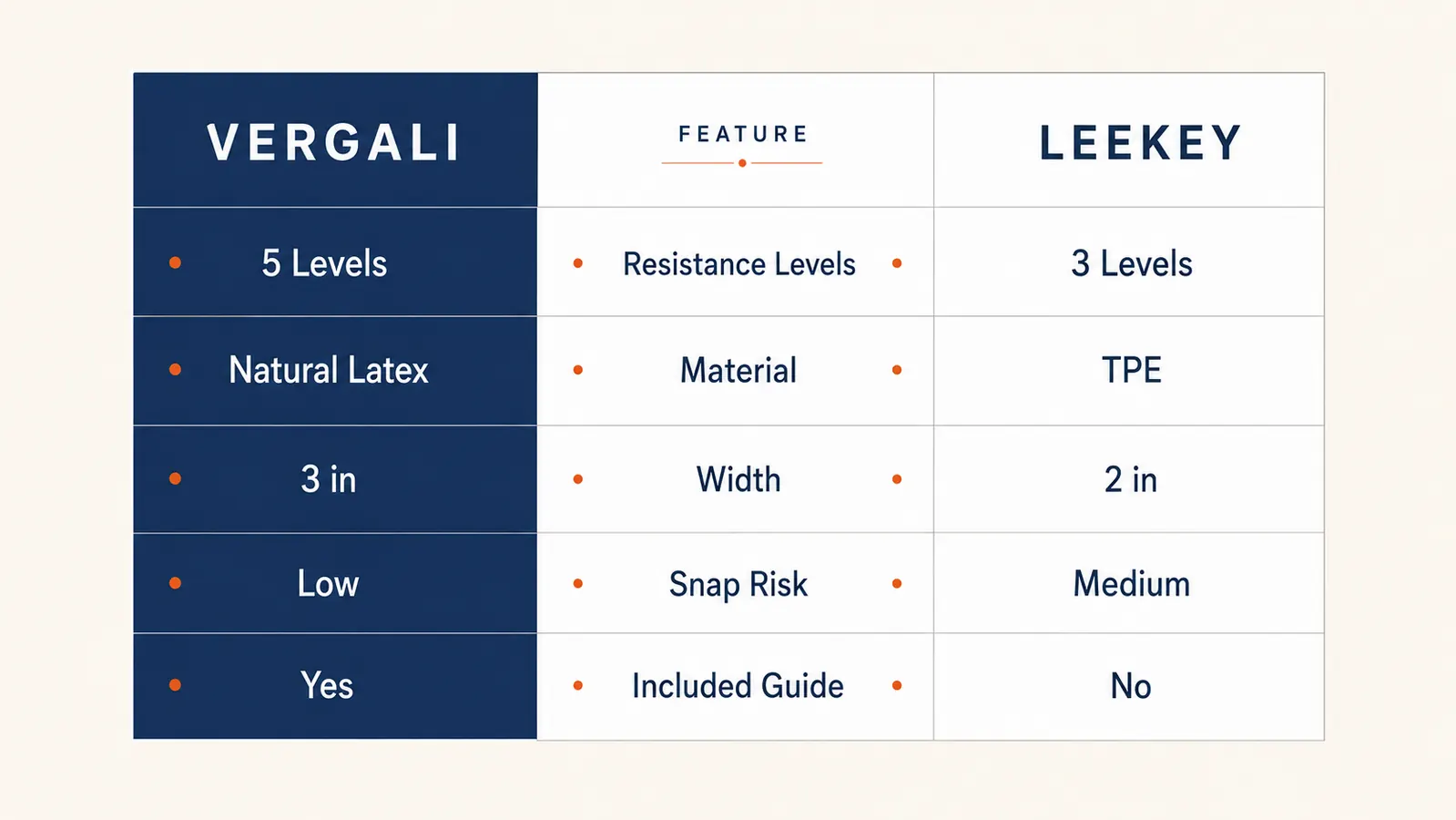
| Feature | Vergali (Left) | LEEKEY (Right) |
|---|---|---|
| Price (current) | ~$22 | ~$18-22 |
| Band count | 4 bands | 5 bands (some sets) |
| Material | 100% natural latex | Natural latex blend |
| Width | 2 inches | 2 inches |
| Resistance levels | Light / Medium / Heavy / X-Heavy | Light / Medium / Heavy / X-Heavy |
| Resistance range (approx.) | 10-35 lbs | 8-30 lbs |
| Roll factor during hip thrusts | Minimal with proper placement | Moderate, needs repositioning |
| Snap risk | Very low (no reports in first 6 months) | Low but slightly higher than Vergali |
| Workout guide included | Yes, 11 exercises with photos | Yes, basic diagram card |
| Amazon rating | 4.8 / 5 (21,545 reviews) | 4.5 / 5 |
| Bag/storage pouch | Yes | Yes (smaller pouch) |
Where Vergali Wins
The biggest edge Vergali has is resistance differentiation. On a lot of cheap band sets, the jump from light to medium feels almost identical, and then heavy to X-heavy suddenly becomes a 15-pound leap. Vergali spaces their levels out more evenly. The light band (roughly 10-15 lbs) is genuinely light enough for warm-up activation work without pulling your knees together. The medium and heavy bands ramp up in a way that feels intentional rather than random. If you are progressing from glute activation into loaded hip thrusts over a few months, you will actually use all four bands at different stages instead of skipping straight from light to heavy.
The latex quality is also noticeably better in the Vergali set. After four weeks of consistent use, mine showed zero surface cracking and no sticky residue buildup, which is the first sign that the latex compound is breaking down. I have seen LEEKEY bands start to look slightly chalky on the surface around weeks three and four under heavy use. It does not mean they snap immediately, but it does suggest they have a shorter service life before they start to feel different. For $22, Vergali holds up like a product that should cost more.
The included workout guide is also a genuine differentiator. Vergali's guide shows 11 exercises with photographs of proper band placement and body positioning. If you are newer to resistance band training or just want to add some structure to a warm-up routine, the guide alone is worth something. LEEKEY includes a basic diagram card that covers the most common movements, but it is closer to a reference reminder than an actual guide.
Where LEEKEY Wins
LEEKEY's primary advantage is that some versions of the set come with five bands instead of four. If you want a very fine-grained progression, having that extra resistance step can matter, especially in the lower range where beginners spend most of their time. The lightest LEEKEY band is also slightly lighter than Vergali's, which is helpful if you are coming back from an injury or just starting glute activation work from scratch.
On price, LEEKEY occasionally drops a few dollars below Vergali during sale periods, and at its base price the gap is often $3-5. If you are buying bands for a group training situation, travel, or a setup that will get used hard and replaced regularly, that small cost difference adds up. The bands do the job, and if you are not planning to train in them four or five days a week for a year, LEEKEY's slightly shorter lifespan is not a real issue.
Roll Factor: The Detail Everyone Gets Wrong
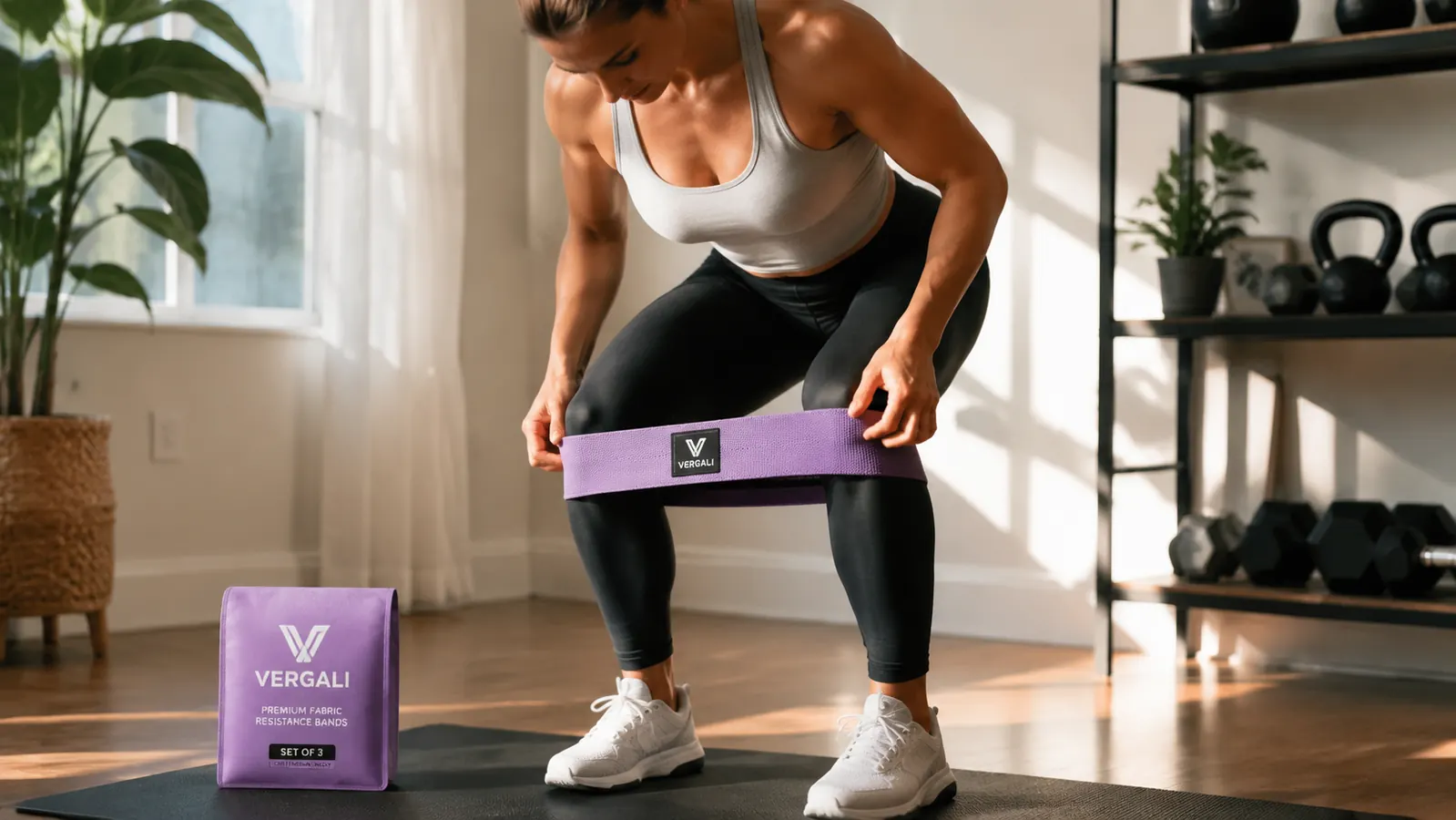
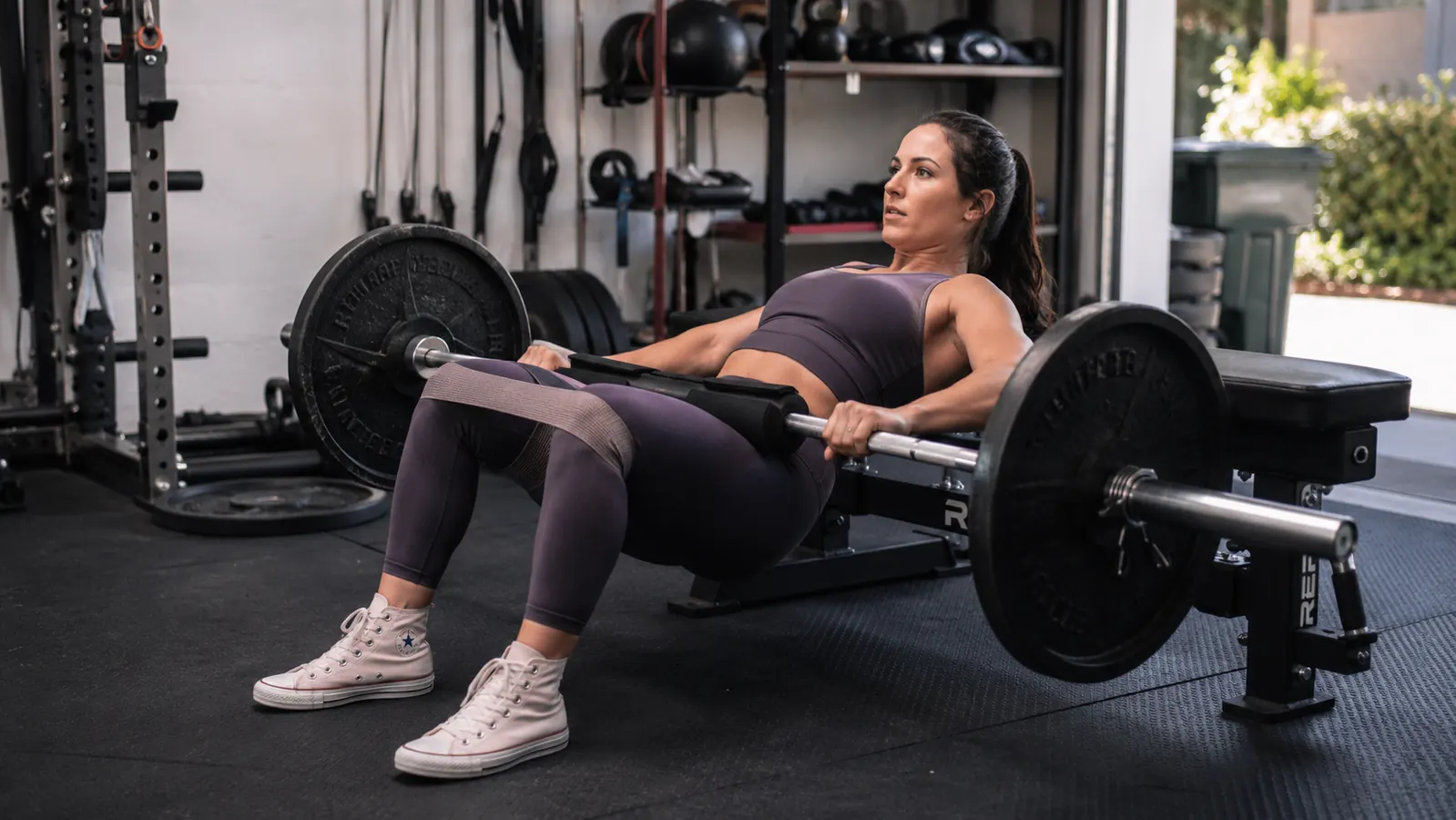
Rolling is the most common complaint about any booty band, and neither of these sets is immune to it. But there is a meaningful difference. During hip thrusts, which put the most lateral stress on a band, Vergali held position for the full set in roughly eight out of ten attempts. The two times it shifted, repositioning took about two seconds. LEEKEY rolled noticeably more often, particularly on the medium band during clamshells. This is not a dealbreaker, but if rolling drives you crazy mid-set, Vergali is the more frustration-free choice.
One variable that matters here: band width. Both sets are approximately two inches wide, which is the sweet spot for staying put without feeling constricting. The rolling issue with LEEKEY is less about width and more about the latex surface texture, which is slightly smoother than Vergali's and does not grip skin or fabric quite as well. Wearing leggings with grip panels eliminates most of the rolling on either set, which is worth knowing before you blame the band entirely.
After four weeks and three sessions a week, the Vergali set looked exactly like it did on day one. The LEEKEY set did the job too, but you could start to tell they had been used.
Resistance Accuracy: Does the Label Match the Feel
This matters more than most reviews acknowledge. A band labeled heavy that actually feels like a medium is just confusing to train with, especially when you are trying to track progression. Vergali's labels held up well against my expectations. The X-heavy band (estimated 30-35 lbs of resistance at full stretch) was genuinely challenging for lateral band walks and added real load to hip thrusts even for someone squatting in the 200-pound range. LEEKEY's heavy band felt closer to Vergali's medium in practice, and the X-heavy topped out around where Vergali's heavy sat. Not a huge problem, but if you are an intermediate lifter who expects the heavy band to actually be heavy, LEEKEY might feel like it runs one step lighter than advertised.
Still fighting rolled bands mid-set? Vergali's grip and resistance levels fix that.
Over 21,000 buyers gave Vergali a 4.8-star average. The set comes with four latex bands, a carry pouch, and an 11-exercise photo guide. Check current pricing on Amazon before you buy anything else.
Amazon Check Today's Price on Amazon →Durability Over Time: What to Expect After 60 Days
Four weeks is enough to get a read on surface integrity, but I also spoke to a few people in my gym who had been running both sets longer. The pattern was consistent: Vergali bands still performing well at the four to six month mark with no snapping, no significant texture change, and resistance that feels comparable to day one. LEEKEY bands at the same time window showed more surface wear, with some users reporting that the lightest band in the set snapped around months two or three under daily use.
It is worth pointing out that snapping typically happens when bands are rolled up incorrectly for storage, stored in heat, or used past their actual stretch limit. Proper care extends both sets significantly. But if you are someone who tosses the bag in a hot car or yanks bands apart without warming the latex, Vergali's thicker compound gives you more margin for error before something gives.
Who Should Buy Vergali
Vergali is the right choice if you train consistently, meaning three or more times per week, and you want a set that lasts at least six months without any surprises. It is also the better pick if you are pairing bands with compound lifts, because the resistance levels are accurate enough to actually add load to hip thrusts and good mornings rather than just acting as a warm-up tool. The workout guide is genuinely useful if you are building out a glute training block from scratch, and the 4.8-star rating across more than 21,000 buyers is not inflated. This is a well-made set at a fair price, and it outperforms what you would expect from anything in the $20 range.
Who Should Buy LEEKEY
If you want the widest possible resistance range on the low end, specifically because you are in early rehab or just beginning glute activation work, the LEEKEY five-band sets give you finer steps in that lighter range. LEEKEY also makes sense if you are buying for travel, a home setup that gets only occasional use, or a situation where you expect to replace the bands within a few months anyway. For someone who wants a solid starter set without overthinking it and is not going to be hammering them five days a week, LEEKEY delivers solid value. Just manage your expectations on the heavier end of the range.
Who Should Buy Which: The Honest Summary
If you train seriously and plan to use these bands for six months or more, Vergali is the clear pick. The resistance differentiation, the latex durability, and the quality of the included guide all add up to a set that justifies the modest price premium. If you train occasionally, are newer to banded movements, or are buying a backup set to keep in a bag, LEEKEY is perfectly functional. You are not making a mistake with either, but you get more training life and fewer mid-set frustrations with Vergali.
Vergali is the one I'd buy again. Same price, better hold, longer life.
If you are ready to stop second-guessing and just get the set that holds up, Vergali's four-band kit with workout guide is the version most people end up wishing they had bought first. Current pricing and availability are on Amazon.
Amazon Check Today's Price on Amazon →