For two years I blamed everything except the real problem. My squat numbers stalled around 185 pounds and my lower back was tight after every session. I blamed my shoes, my bar path, my sleep, my protein intake. I tried a belt. I tried box squats. I watched probably forty form videos. Nothing moved the needle.
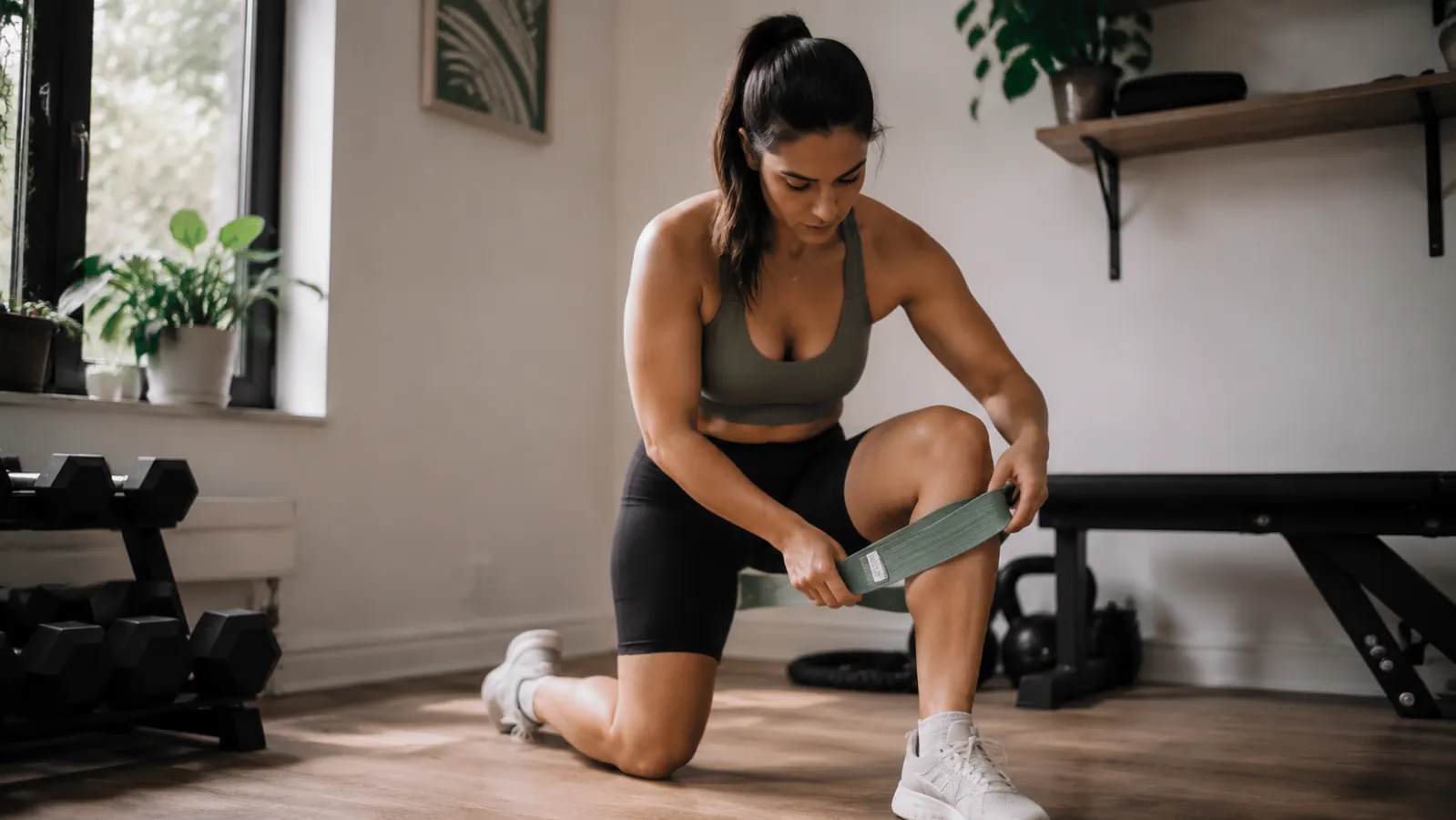
Then my buddy Marcus, who has been competing in powerlifting since 2019 and has very little patience for overthinking things, watched me warm up one afternoon and said, flat out, 'Your glutes aren't doing anything. Your lower back is carrying the whole lift.' He handed me one of his resistance bands, told me to put it just above my knees during my warm-up sets, and walked away.
That was a Tuesday in late January 2025. By the following Tuesday I had added 15 pounds to my working sets without changing anything else. Not my program, not my diet, not my sleep schedule. Just a loop of fabric above my knees for eight minutes of warm-up before I touched the bar.
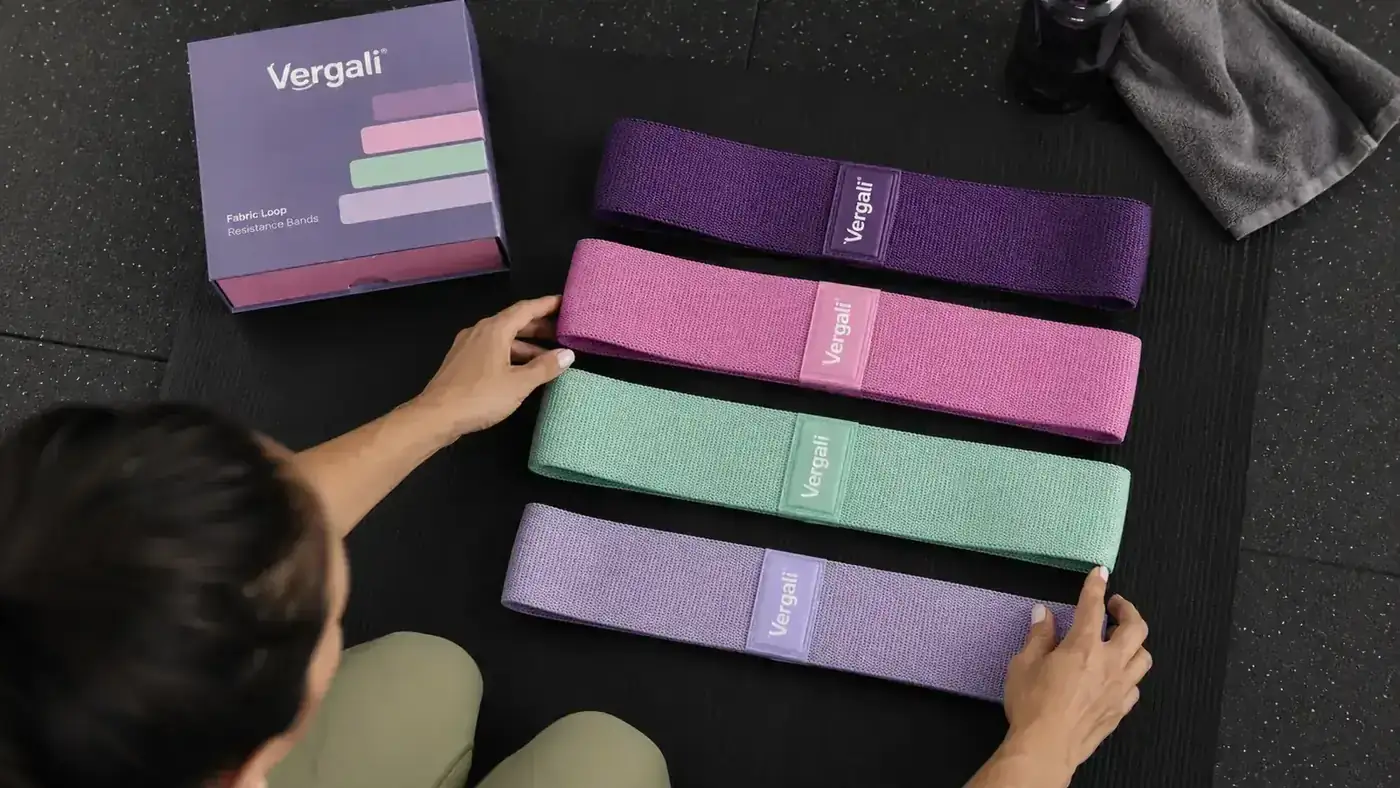
I went home that first night and ordered the Vergali resistance bands, the four-band set that comes with a workout guide. They showed up two days later. Price was around $22. I had been spending that much on a single lacrosse ball at the physical therapy office every time my back flared up.
My lower back was doing the work my glutes were supposed to be doing. A $22 band set was the thing that finally made that obvious.
The same bands that fixed two years of stalled squat numbers are sitting on Amazon right now.
The Vergali set comes with four resistance levels and a printed workout guide. It is the band set I still use every single training session before I touch a barbell or a dumbbell.
Amazon Check Today's Price on Amazon →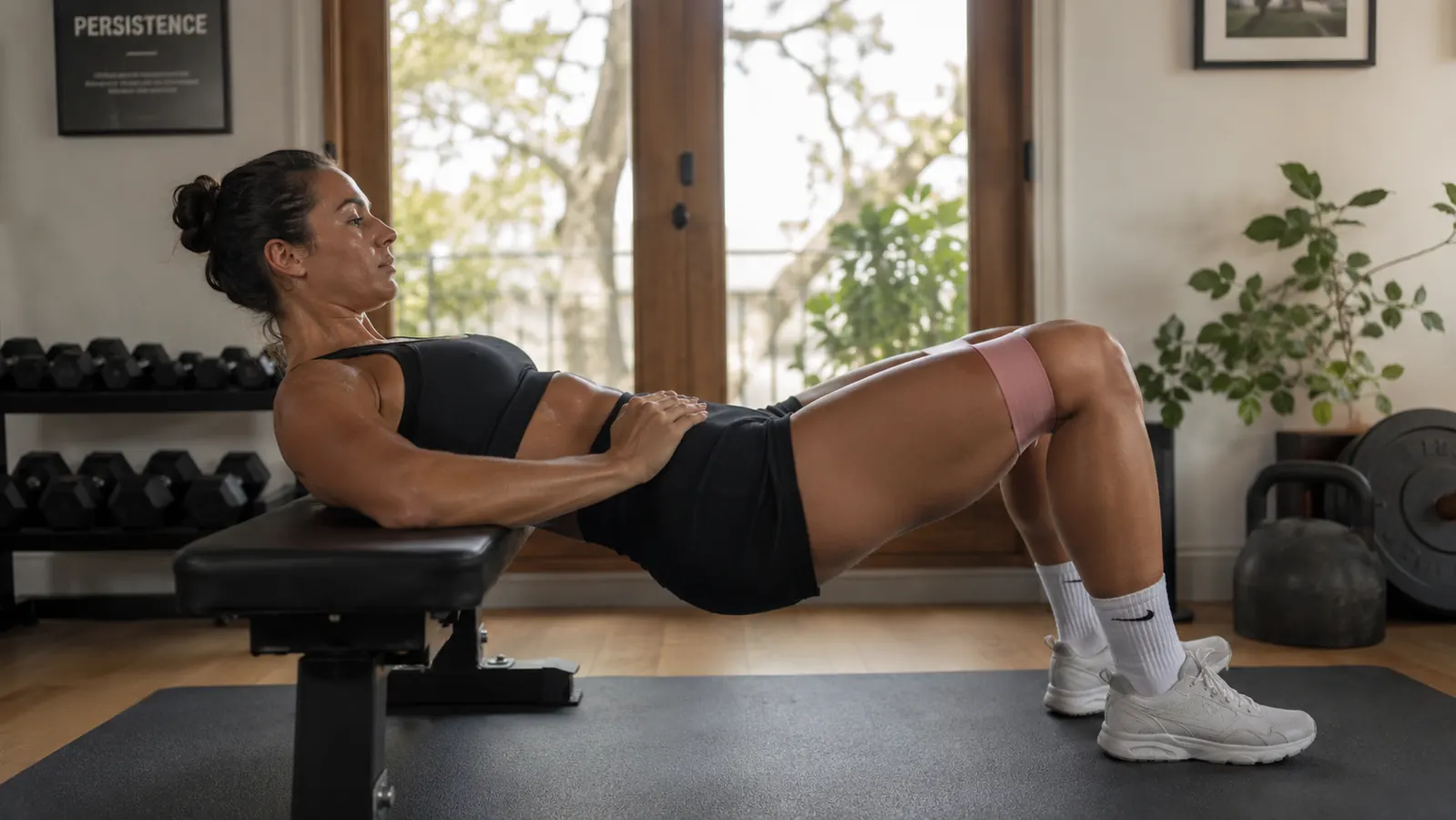
The Vergali set has four bands: a lighter yellow one I use for shoulder warm-ups, a medium green one for glute activation circuits, a heavier black one for hip thrusts and lateral walks when I want real resistance, and a red one that lives in my gym bag for travel. The fabric does not roll up your thigh the way cheap latex loops do. I know that sounds like a small thing until you have spent a set trying to peel a rolled band back down to your knee between reps.
My warm-up now takes about eight minutes before every lower body session. Clamshells with the green band, 15 each side. Lateral band walks, 10 steps each direction. Banded glute bridges, 20 reps. Then one set of banded bodyweight squats to feel where my knees want to track. By the time I step under the bar I can actually feel my glutes. That sounds obvious. It was not obvious to me for two years.
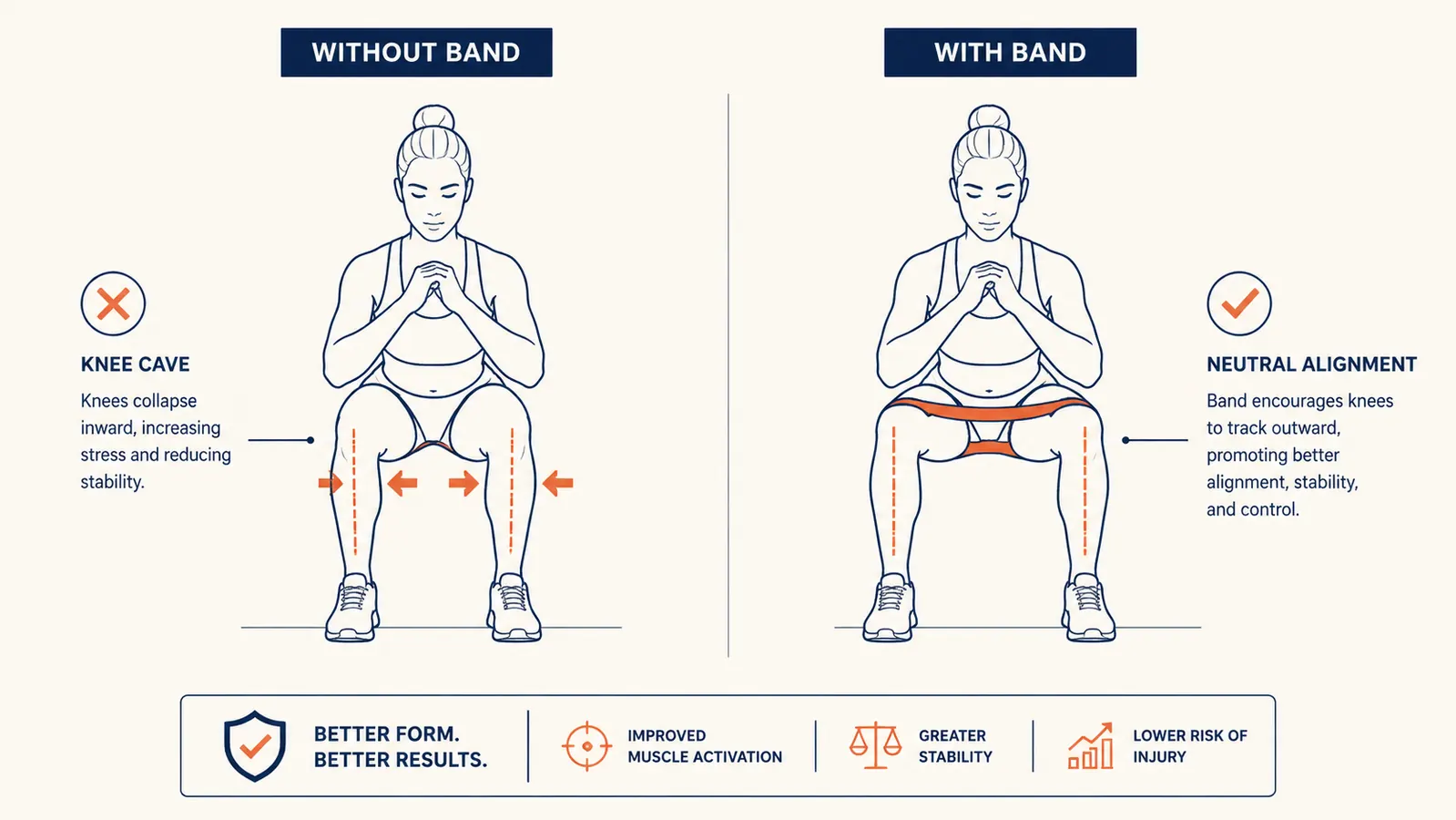
The lower back tightness is mostly gone. Not completely, because I still have the posture of someone who spent his 20s in front of a laptop. But the specific post-squat tightness that used to follow me around for two days after a heavy session has not come back since I started the banded warm-up. My physical therapist, who I used to see monthly, told me at my last visit that I could drop to a quarterly check-in.
The one honest drawback: the included workout guide is printed on a single laminated card and assumes you already know what all the exercises are. It names the movement but does not describe form cues in any detail. If you are completely new to resistance band training, spend ten minutes on YouTube before your first session so you know what a proper clamshell looks like. The bands themselves are excellent. The guide is just okay.
What I Would Tell You If We Were Sitting at My Kitchen Table
If your squat has been stuck for months and your lower back always seems to be the thing that complains first, there is a reasonable chance your glutes are just not showing up. Not because you are doing something wrong exactly, but because glutes are easy to underload without realizing it, especially if you spend most of the day sitting. The fix is not a more complex program or a new piece of equipment that costs four hundred dollars. The fix might genuinely be a $22 set of fabric loops that forces your hip abductors to fire before you ask your lower back to handle anything heavy. I resisted the idea for way too long because it felt too simple. It was not too simple. It worked. The Vergali bands are what I still use, they have held up for four months of three-times-per-week use, and I would buy them again without hesitating. Start with the green band for warm-ups. Add the black one once you feel like the green is giving you nothing. And read the full breakdown I put together in the long-term review if you want to know how the bands held up over four months of regular use.
If your lower back is always the weak link on squat day, your glutes might not be doing their job.
The Vergali four-band set is what I reach for before every lower body session. Four resistance levels, fabric construction that doesn't roll, and a current price that makes trying it a no-risk decision. Read real buyer reviews on Amazon and see if the sizing matches what you need.
Amazon Check Today's Price on Amazon →