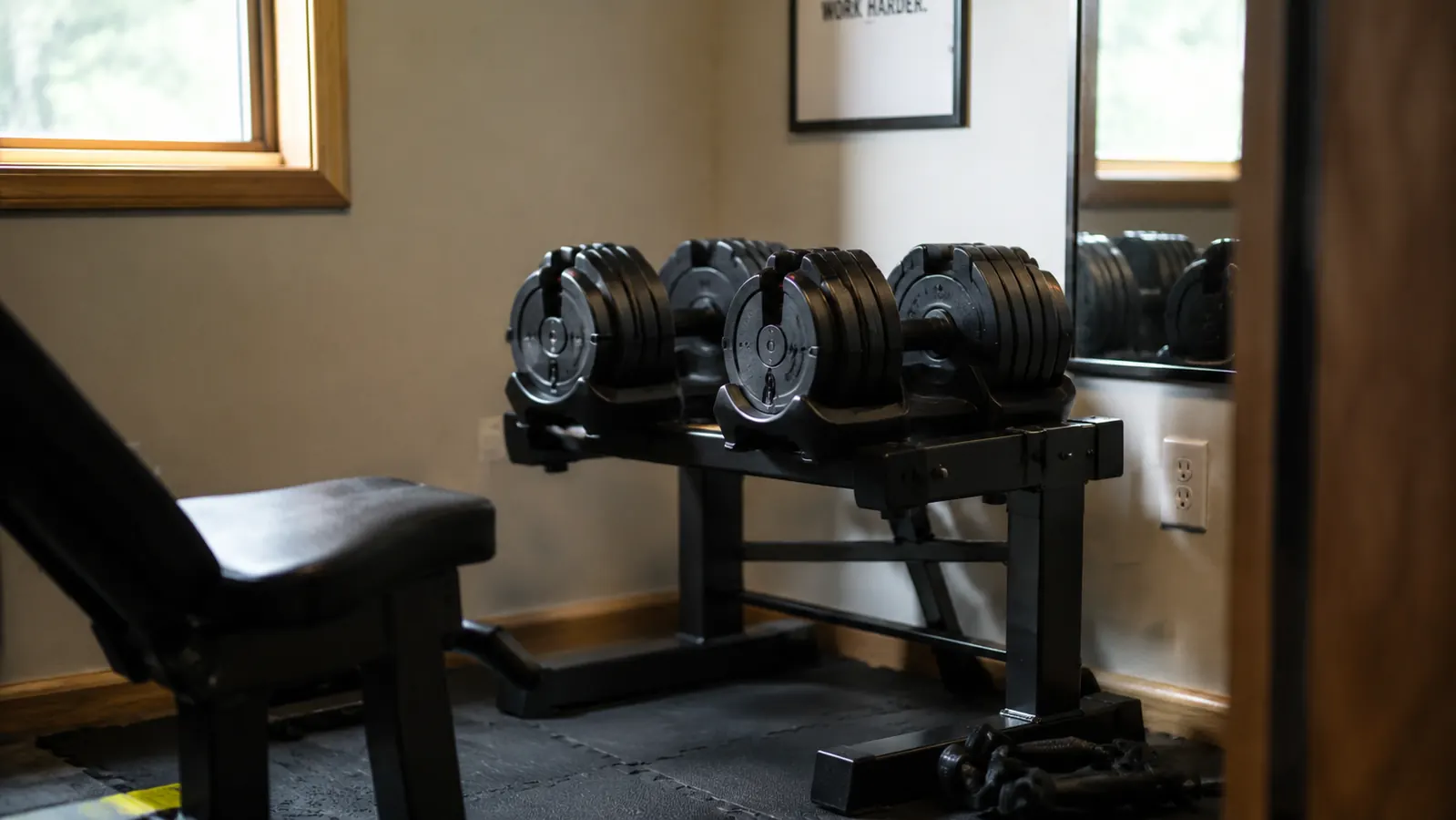
For two years I kept paying $52 a month to a gym I went to maybe twice a week, sometimes once, sometimes not at all if the parking lot looked full or my schedule shifted after 4 p.m. I told myself I needed it. The barbells, the cable machines, the variety. What I actually did most days was a few sets of dumbbell exercises, some rows, some presses, a little shoulder work. Nothing that required a 15-minute drive each way.
My brother-in-law had been lifting at home for three years. I watched him get genuinely stronger while I stayed roughly the same, drifting in and out of consistency. He had a pair of adjustable dumbbells, a pull-up bar, and a bench. That was it. One afternoon he mentioned the dumbbells had cost him around sixty dollars. I laughed. I genuinely laughed. Then I went home, opened Amazon, and found the FEIERDUN DS2 set with over four thousand reviews, a 4.4-star rating, and a price sitting right at fifty-nine dollars. I sat on the page for a week before I ordered.
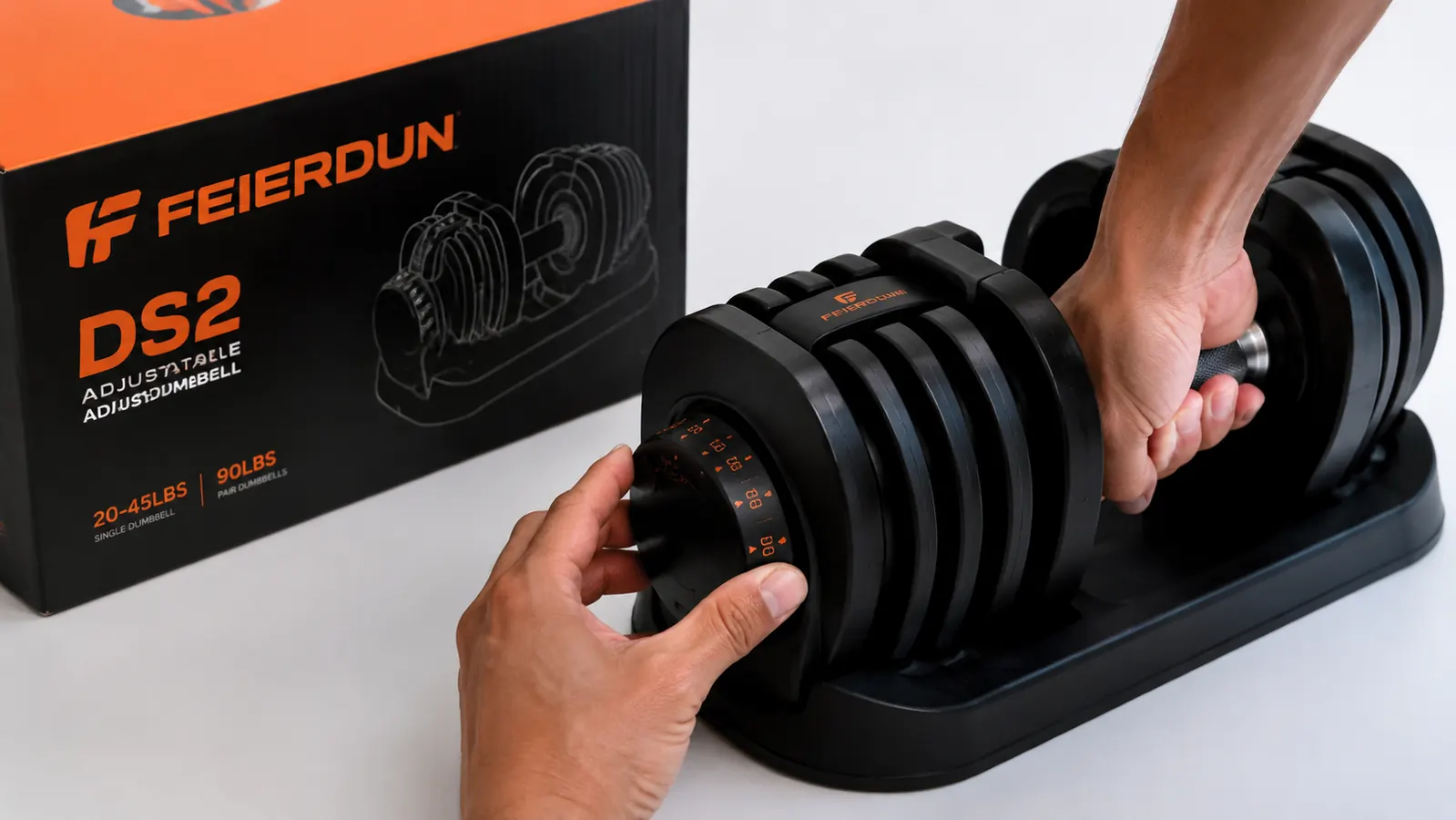
When the box arrived I was expecting something that felt like it was made of recycled soda cans. What I got instead felt solid. The adjustment dial clicked cleanly through the weight settings: 20, 30, 40, 45, 70, and 90 pounds per dumbbell. The connecting rod feature turns the pair into a barbell if you need one. The first time I picked them up at 45 pounds, they did not rattle, creak, or feel like they were about to come apart. That surprised me more than anything.
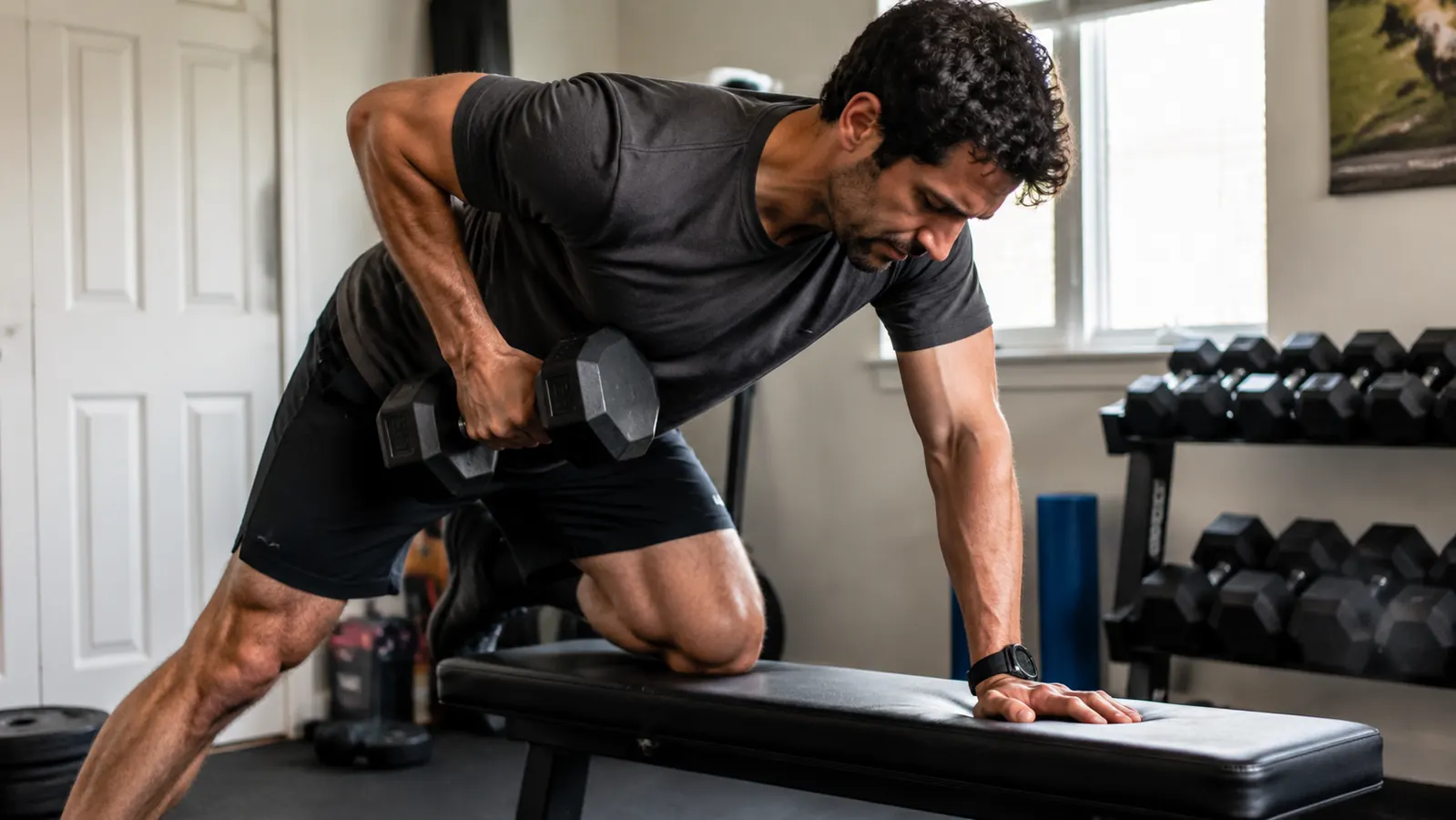
The first week I trained at home every morning before work. Twenty minutes. Chest press, rows, shoulder press, lateral raises. I was not trying to prove a point, I just wanted to see if it would hold. It held. The second week I added Romanian deadlifts and weighted lunges. By week three I was training five days without the friction of packing a bag, driving, parking, waiting for a bench, and driving back. My total workout time per session went up while my total daily time investment went down.
There are real limitations, and I want to name them now. The plastic housing is not premium. At heavier weights, there is a slight wobble in the plates that you do not get with a fixed iron dumbbell. The weight jumps are a little coarse for certain isolation work. Going from 40 to 45 pounds is fine for rows, but it is a big jump for lateral raises if you are in a moderate rep range. None of that stopped my training, but it is worth knowing before you buy.
My total workout time per session went up while my total daily time investment went down. That is the real math behind cancelling the membership.
I cancelled the gym membership at the end of month two. That is 624 dollars a year back in my pocket. The dumbbells cost me sixty. I bought a basic adjustable bench for another eighty. All in, I am still saving over four hundred dollars in the first year alone, and every year after that is pure savings. My brother-in-law has had his set for three years with no issues. The durability question is not settled forever, but the short-to-medium-term case is strong.
If $50/month for a gym you barely use sounds familiar, the math on these dumbbells is worth five minutes of your time.
The FEIERDUN DS2 adjustable set covers 20 to 90 pounds per dumbbell, ships in one box, and has over 4,700 reviews on Amazon. Check current availability and pricing below.
Amazon Check Today's Price on Amazon →What I use almost every session: 45 pounds for rows and deadlifts, 30 for chest press, 20 for shoulder work and lateral raises. The connecting rod feature I have used exactly twice, but I like having it. If you already have a barbell setup, you probably would never touch it. If you do not, it adds a little versatility for Romanian deadlifts and shrugs.
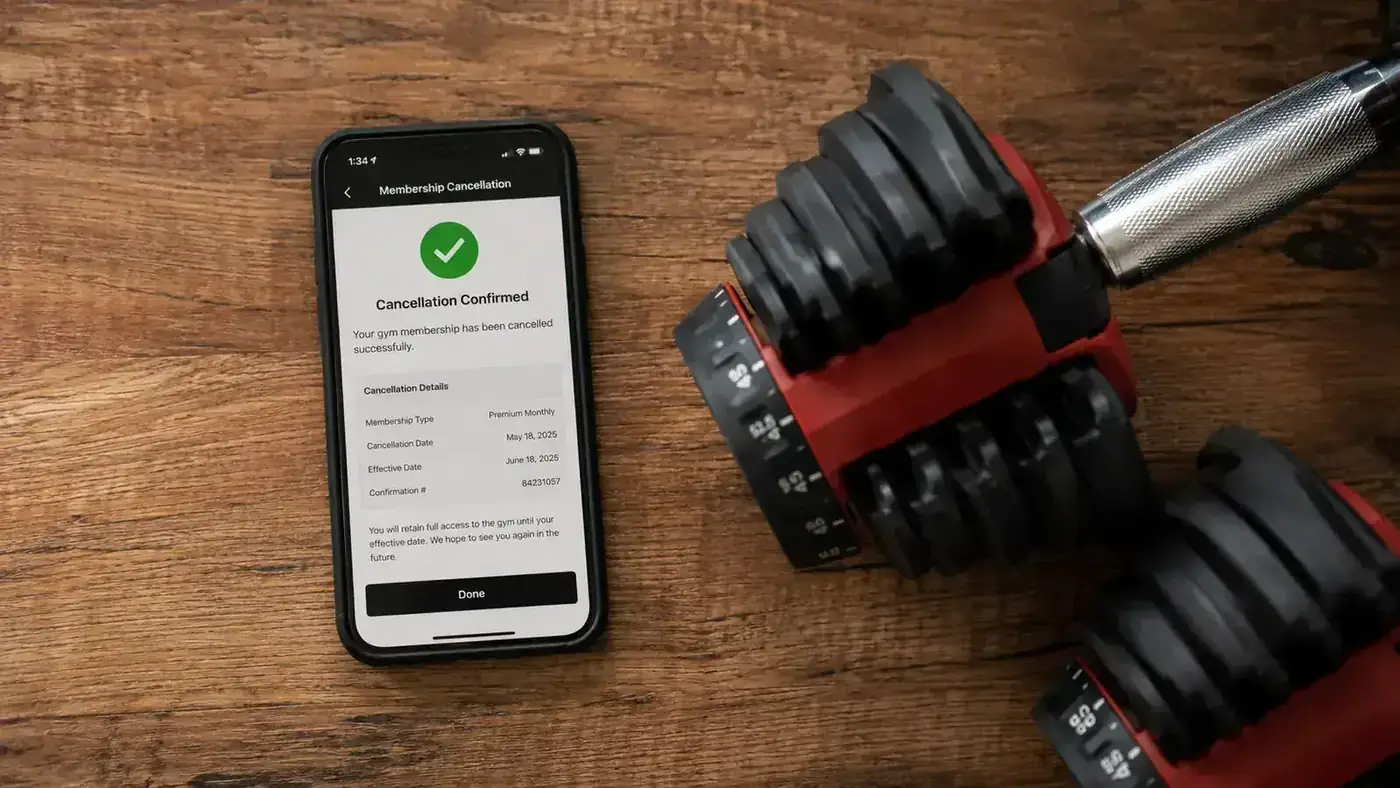
The adjustment dial is the thing people worry about most, and it is the thing I have had the fewest problems with. Twelve weeks in, it still clicks where it is supposed to click. I have seen reviews where people report a dial getting sticky after a few months of heavy use. That has not happened to me yet. I keep the tray clean and do not drop the dumbbells from height, which probably helps.
If you are someone who needs a squat rack, a leg press, or a cable tower to get a complete training session, these are not a replacement for your gym. But if most of your work is dumbbell-based and you are mostly paying for machines you use once a month, the math shifts pretty fast. A pair of fixed 30-pound dumbbells alone would cost more than this entire adjustable set.
What I'd Tell You If We Were Sitting at My Kitchen Table
Do not buy these expecting a Bowflex. The selector housing is plastic, the weight increments are not as fine-grained, and if you want bragging rights on equipment you are buying the wrong set. Buy these if you want to train consistently without a commute, save real money over a one-to-two year horizon, and get a tool that does the actual job. I have done hundreds of sessions with the FEIERDUN DS2 now and they have not let me down in any way that mattered. If you are on the fence the same way I was, read the full review we put together at six months of daily use, or see how they compare against the Bowflex SelectTech in our side-by-side breakdown. Either way, sixty dollars is a pretty low-risk way to find out if home training clicks for you.
Three months of consistent training without a gym membership starts with one purchase.
The FEIERDUN DS2 adjustable dumbbells go from 20 to 90 pounds, include a connecting rod for barbell work, and are currently in stock on Amazon. Over 4,700 buyers have weighed in.
Amazon Check Today's Price on Amazon →